|
|

|
**Everything You Need to Know About Life Jackets (PFDs)**
**1. What's a Life Jacket?**
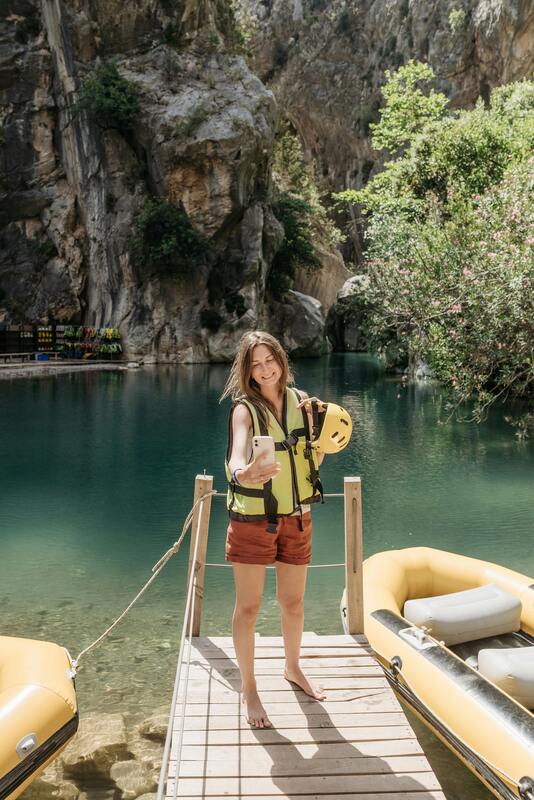
A life jacket, or personal flotation device (PFD), is like a wearable safety tool that keeps you floating in the water, so you don't drown. It helps keep your mouth and nose out of the water. That way, even if you're knocked out, you'll still float safely.
Life jackets are super important for:
* People in boats, sailboats, and kayaks
* Swimmers in open water or cold water
* People who work on the water, like fishers
* Folks traveling on planes that cross water
* People working around docks or out at sea
* Rescue teams and emergency workers
**2. How Do Life Jackets Work?**
Life jackets use buoyancy to keep you up – that's the force of the water pushing up on stuff.
Your body naturally floats a bit because of air in your lungs and body fat. But people are about as heavy as water, so without a boost, you could sink – especially if you're tired or have a lot of clothes on.
A life jacket adds stuff that floats (like foam or air) so that your body pushes more water... which helps it float.
Basically:
How much you float = How heavy the water is that you move
The life jacket helps you push enough water to keep your face above the surface.
**3. A Little History**
* Early 1800s: They used cork in canvas vests
* Mid-1900s: They used kapok (a fluffy tree fiber) instead of cork
* Now: They usually use foam
* Late 1900s: They made inflatable ones with CO₂
* Today: There are even smart life jackets with GPS
**4. Types of Life Jackets**
**4.1. U.S. Coast Guard (USCG) Types**
Type | What It's Like | How Well It Floats | Good For...
------- | -------- | -------- | --------
Type I | Big and bulky | Really well (22 lbs or 100 N) | Open ocean, rough water
Type II | Smaller vest | Okay (about 15.5 lbs or 70 N) | Calm water
Type III | Helps you float | Okay (about 15.5 lbs or 70 N) | Water sports
Type IV | Throw it! | N/A | Throwing to someone in the water
Type V | Special | Different | Windsurfing, rescue suits
**4.2. International ISO Standards**
Level | How Well It Floats (Newtons) | What It's For | Turns You Over?
------- | -------- | -------- | --------
50 N | Not much | Sports, calm water | No
100 N | A bit | Near the shore | Maybe a little
150 N | Pretty well | Out at sea | Usually
275 N | Really well | Bad weather, heavy clothes | Yes, even with gear
The higher the number, the better it floats and the more likely it'll turn you face-up.
**5. What They're Made Of**
**5.1. Floating Stuff**
* Foam: Always floats, lasts long, easy to take care of
* Neoprene: Keeps you warm, comfy for water sports
* Kapok: Natural, but needs to stay dry
* Inflatable: Air-filled
**5.2. Outside Fabric**
* Nylon: Light, cheap, tough
* Polyester: Sun-resistant, strong
* Cordura/Ripstop nylon: Super strong
**5.3. Other Stuff**
* Zippers, buckles, belts
* Shiny tape to help people see you
* Whistle
**6. Getting the Right Size**
**Adults:**
* Measure around your chest
* Check the size chart
* Should fit snug - not too tight, not too loose
**Kids:**
* Go by weight
* Make sure it has head support and a grab handle
* Shouldn't ride up over their chin
**7. Types of Life Jackets (More Details)**
**7.1. Foam:**
* Always floats
* Good for beginners
* Works in cold water
* A little bulky
**7.2. Inflatable:**
* Small and comfy
* Blows up when you hit the water, or you pull a cord
* Check it often
* Not for kids or weak swimmers
**7.3. Hybrid:**
* Foam and inflatable
* Comfortable and safe
**7.4. Special Kinds:**
* Kayaking vests: Short so you can paddle easier
* Sailing vests: Have spots to attach ropes
* Cold-water suits: For really cold water
* Work vests: For jobs
**8. Taking Care of Your Life Jacket**
**Foam Jackets:**
* Rinse after saltwater
* Dry in the shade
* Store it in a cool, dry place
* Don't sit on it
**Inflatable Jackets:**
* Check the CO₂ thing
* Check the trigger
* Blow it up once a year to test it
* Change the CO₂ thing every few years
**Tips**:
* Keep away from gas or chemicals.
* Don't dry with heat.
* Hang it up.
**9. Common Mistakes**
Mistake | Danger
------- | --------
Wrong size | Can slip off
Old or broken | Won't float right
Not buckled | Can come off in the water
Thinking you can swim enough | People still drown from being tired or cold
Using toys instead | Toys aren't safe
**10. Real Stories**
**Cold Water:**
* Cold water makes you gasp
* A life jacket keeps you up while you freak out
**Flipping Over:**
* Hard to get your bearings when waves are rough
* Some life jackets turn you face-up
**Knocked Out:**
* Strong life jackets keep your face out of the water
**11. Checking It Out**
* Try it in shallow water
* Make sure it keeps your chin up
* Look for leaks
* Write down when you checked it
**12. What to Look For on the Label**
* Who approved it (USCG, ISO)
* What type it is
* How much weight it holds
* When to check it
* Instructions
* Warnings
* Commercial boats often need orange vests with whistles and shiny stuff
**13. How Long They Last**
Type | How Long | What to Look For to Replace It
------- | -------- | --------
Foam | 8–10 years | Falling apart
Inflatable | 5–8 years | Rust, bad fabric
Hybrid | 7–10 years | Falling apart
Work Vest | 10+ years | Gotta pass the test
If you're not sure, just replace it. Your life is worth it.
**14. Taking Care of the Earth**
* Don't just throw old ones away
* Take out the CO2
* See if someone can recycle it
**15. The Law**
* Need one life jacket per person
* Easy to get to
* Kids usually have to wear them
* You can get fined if you don't!
**16. Smart Tips**
* Try it on before you go
* Bright colors are easier to see
* Keep a whistle on it
* Write your name on it
* Think about a GPS thing for far trips
* Don't poke holes in it to make it comfy!
**17. Quick List**
✅ Right size
✅ Approved by the government
✅ Straps work
✅ Tested every year
✅ Clean and dry
✅ Replace when it's old
**18. Last Words**
A life jacket is more than just gear. It's your backup when things go wrong in the water. Whether you're just paddling around, working on a boat, or saving someone, wearing a good life jacket can be the difference between life and death.
Wear it every time you're on the water. Check it often. It's important.
**1. What's a Life Jacket?**
A life jacket, or personal flotation device (PFD), is like a wearable safety tool that keeps you floating in the water, so you don't drown. It helps keep your mouth and nose out of the water. That way, even if you're knocked out, you'll still float safely.
Life jackets are super important for:
* People in boats, sailboats, and kayaks
* Swimmers in open water or cold water
* People who work on the water, like fishers
* Folks traveling on planes that cross water
* People working around docks or out at sea
* Rescue teams and emergency workers
**2. How Do Life Jackets Work?**
Life jackets use buoyancy to keep you up – that's the force of the water pushing up on stuff.
Your body naturally floats a bit because of air in your lungs and body fat. But people are about as heavy as water, so without a boost, you could sink – especially if you're tired or have a lot of clothes on.
A life jacket adds stuff that floats (like foam or air) so that your body pushes more water... which helps it float.
Basically:
How much you float = How heavy the water is that you move
The life jacket helps you push enough water to keep your face above the surface.
**3. A Little History**
* Early 1800s: They used cork in canvas vests
* Mid-1900s: They used kapok (a fluffy tree fiber) instead of cork
* Now: They usually use foam
* Late 1900s: They made inflatable ones with CO₂
* Today: There are even smart life jackets with GPS
**4. Types of Life Jackets**
**4.1. U.S. Coast Guard (USCG) Types**
Type | What It's Like | How Well It Floats | Good For...
------- | -------- | -------- | --------
Type I | Big and bulky | Really well (22 lbs or 100 N) | Open ocean, rough water
Type II | Smaller vest | Okay (about 15.5 lbs or 70 N) | Calm water
Type III | Helps you float | Okay (about 15.5 lbs or 70 N) | Water sports
Type IV | Throw it! | N/A | Throwing to someone in the water
Type V | Special | Different | Windsurfing, rescue suits
**4.2. International ISO Standards**
Level | How Well It Floats (Newtons) | What It's For | Turns You Over?
------- | -------- | -------- | --------
50 N | Not much | Sports, calm water | No
100 N | A bit | Near the shore | Maybe a little
150 N | Pretty well | Out at sea | Usually
275 N | Really well | Bad weather, heavy clothes | Yes, even with gear
The higher the number, the better it floats and the more likely it'll turn you face-up.
**5. What They're Made Of**
**5.1. Floating Stuff**
* Foam: Always floats, lasts long, easy to take care of
* Neoprene: Keeps you warm, comfy for water sports
* Kapok: Natural, but needs to stay dry
* Inflatable: Air-filled
**5.2. Outside Fabric**
* Nylon: Light, cheap, tough
* Polyester: Sun-resistant, strong
* Cordura/Ripstop nylon: Super strong
**5.3. Other Stuff**
* Zippers, buckles, belts
* Shiny tape to help people see you
* Whistle
**6. Getting the Right Size**
**Adults:**
* Measure around your chest
* Check the size chart
* Should fit snug - not too tight, not too loose
**Kids:**
* Go by weight
* Make sure it has head support and a grab handle
* Shouldn't ride up over their chin
**7. Types of Life Jackets (More Details)**
**7.1. Foam:**
* Always floats
* Good for beginners
* Works in cold water
* A little bulky
**7.2. Inflatable:**
* Small and comfy
* Blows up when you hit the water, or you pull a cord
* Check it often
* Not for kids or weak swimmers
**7.3. Hybrid:**
* Foam and inflatable
* Comfortable and safe
**7.4. Special Kinds:**
* Kayaking vests: Short so you can paddle easier
* Sailing vests: Have spots to attach ropes
* Cold-water suits: For really cold water
* Work vests: For jobs
**8. Taking Care of Your Life Jacket**
**Foam Jackets:**
* Rinse after saltwater
* Dry in the shade
* Store it in a cool, dry place
* Don't sit on it
**Inflatable Jackets:**
* Check the CO₂ thing
* Check the trigger
* Blow it up once a year to test it
* Change the CO₂ thing every few years
**Tips**:
* Keep away from gas or chemicals.
* Don't dry with heat.
* Hang it up.
**9. Common Mistakes**
Mistake | Danger
------- | --------
Wrong size | Can slip off
Old or broken | Won't float right
Not buckled | Can come off in the water
Thinking you can swim enough | People still drown from being tired or cold
Using toys instead | Toys aren't safe
**10. Real Stories**
**Cold Water:**
* Cold water makes you gasp
* A life jacket keeps you up while you freak out
**Flipping Over:**
* Hard to get your bearings when waves are rough
* Some life jackets turn you face-up
**Knocked Out:**
* Strong life jackets keep your face out of the water
**11. Checking It Out**
* Try it in shallow water
* Make sure it keeps your chin up
* Look for leaks
* Write down when you checked it
**12. What to Look For on the Label**
* Who approved it (USCG, ISO)
* What type it is
* How much weight it holds
* When to check it
* Instructions
* Warnings
* Commercial boats often need orange vests with whistles and shiny stuff
**13. How Long They Last**
Type | How Long | What to Look For to Replace It
------- | -------- | --------
Foam | 8–10 years | Falling apart
Inflatable | 5–8 years | Rust, bad fabric
Hybrid | 7–10 years | Falling apart
Work Vest | 10+ years | Gotta pass the test
If you're not sure, just replace it. Your life is worth it.
**14. Taking Care of the Earth**
* Don't just throw old ones away
* Take out the CO2
* See if someone can recycle it
**15. The Law**
* Need one life jacket per person
* Easy to get to
* Kids usually have to wear them
* You can get fined if you don't!
**16. Smart Tips**
* Try it on before you go
* Bright colors are easier to see
* Keep a whistle on it
* Write your name on it
* Think about a GPS thing for far trips
* Don't poke holes in it to make it comfy!
**17. Quick List**
✅ Right size
✅ Approved by the government
✅ Straps work
✅ Tested every year
✅ Clean and dry
✅ Replace when it's old
**18. Last Words**
A life jacket is more than just gear. It's your backup when things go wrong in the water. Whether you're just paddling around, working on a boat, or saving someone, wearing a good life jacket can be the difference between life and death.
Wear it every time you're on the water. Check it often. It's important.